
Dodola Woreda, West Arsi Zone, Oromia Region | 18 July 2026
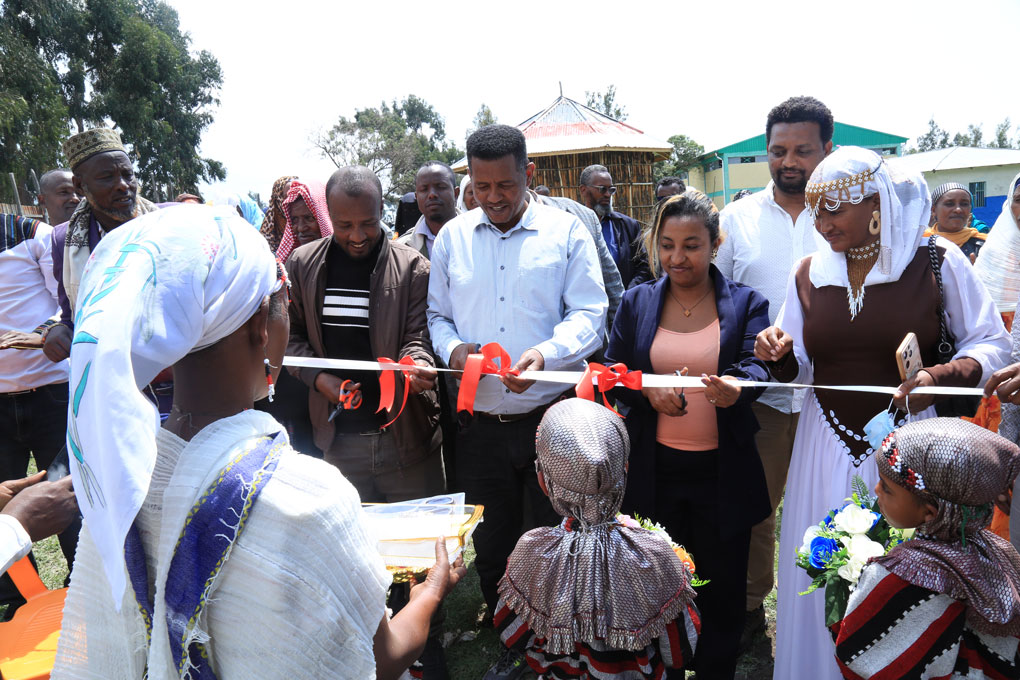
SOS Sahel Ethiopia, through the Livelihood Improvement for Rural Women (LI-4RW) Project, funded by Mrs. Veronica Pernthaner-Maeka, President of NGO Buntstifte, Austria, officially handed over two women-led grain storage facilities constructed at Kechema Chare and Bura Adele kebeles of Dodola Woreda, West Arsi Zone, Oromia Region to two women group enterprises called; Ayu, Amane, Zeyneba and their friend’s women enterprise Group (Kechema Chare Kebele) and Megertu Boge, Chalet and Friends Women Enterprise Group (Bura Adele Kebele).
The handover ceremony brought together 379 participants, including 235 women project participants from the two kebeles, representatives of the West Arsi Zone Administration, Dodola Woreda sector offices, kebele leaders, community members, and SOS Sahel Ethiopia staffs.
Speaking at the event, Mr. Asaffa Tolosa, Deputy Administrator of West Arsi Zone, emphasized that women’s economic empowerment remains an important development priority. He recognized the contribution of partnerships between government institutions and organizations such as SOS Sahel Ethiopia in creating practical economic opportunities for rural women.
He encouraged the women project participants to use the facilities effectively and said “I urge you to properly store your agricultural products, strengthen collective marketing, take advantage of favorable market prices, increase your earnings, and use these opportunities to improve your financial independence.”
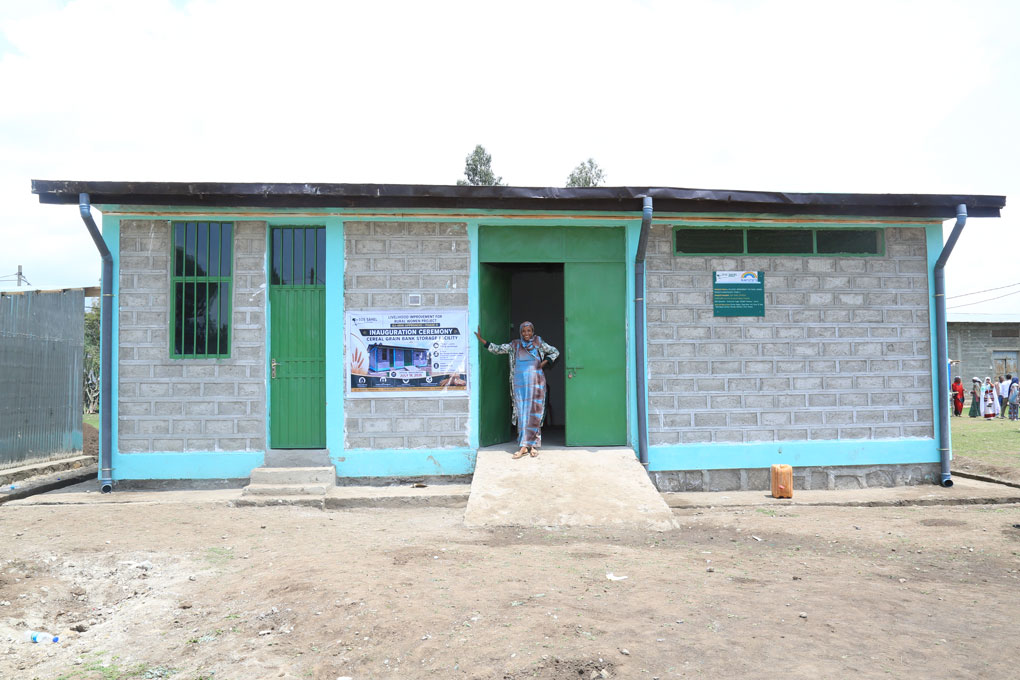
The warehouses are more than physical infrastructure. They help women-led enterprises reduce post-harvest losses, maintain grain quality, and avoid distress sales by enabling them to store their products until market conditions become more favorable.
The facilities are expected to significantly reduce grain losses caused by moisture, pests, rodents, poor handling, and premature sales. Based on project estimates, the warehouse is expected to prevent approximately 9 metric tons of grain losses annually, representing an estimated saving of ETB 675,000 per year.
In addition, the facilities contribute to improved market access, collective marketing, increased income generation, savings and resource mobilization, and stronger women-led enterprises. By improving women’s ability to manage and market their agricultural products, the investment is expected to contribute to more resilient livelihoods and greater economic independence for women and their families.
The LI-4RW Project currently supports 370 direct and 1,035 indirect participants. The newly constructed facilities were completed at a total cost of more than ETB 4.2 million, with generous financial support from Mrs. Veronica Pernthaner-Maeka, President of NGO Buntstifte, Austria. Together, the facilities provide a combined storage capacity of more than 90 metric tons.
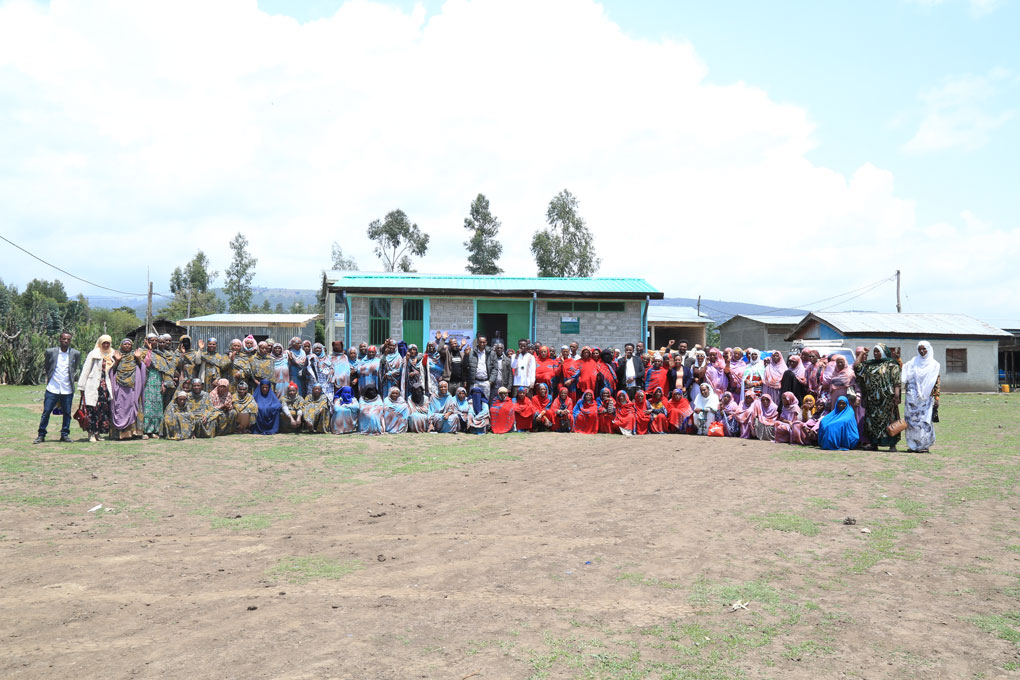
The facilities are intended to serve as platforms for strengthening women’s collective economic activities. With improved storage capacity, women-led enterprises can aggregate their produce, reduce pressure to sell immediately after harvest, negotiate better prices, and strengthen their participation in agricultural markets.
The handover of the two grain storage facilities marks more than the completion of a construction project. It represents a strategic investment in the resilience, entrepreneurship, leadership, and economic empowerment of rural women.
This achievement demonstrates the power of partnership in bringing the women, communities, government institutions, development partners, and civil societies in lasting opportunity.
Moving forward SOS Sahel Ethiopia will build on this investment by strengthening partnerships and supporting women-led enterprises to turn improved storage capacity into sustained economic opportunity. With continued collaboration among government, communities, development partners, and women themselves.