
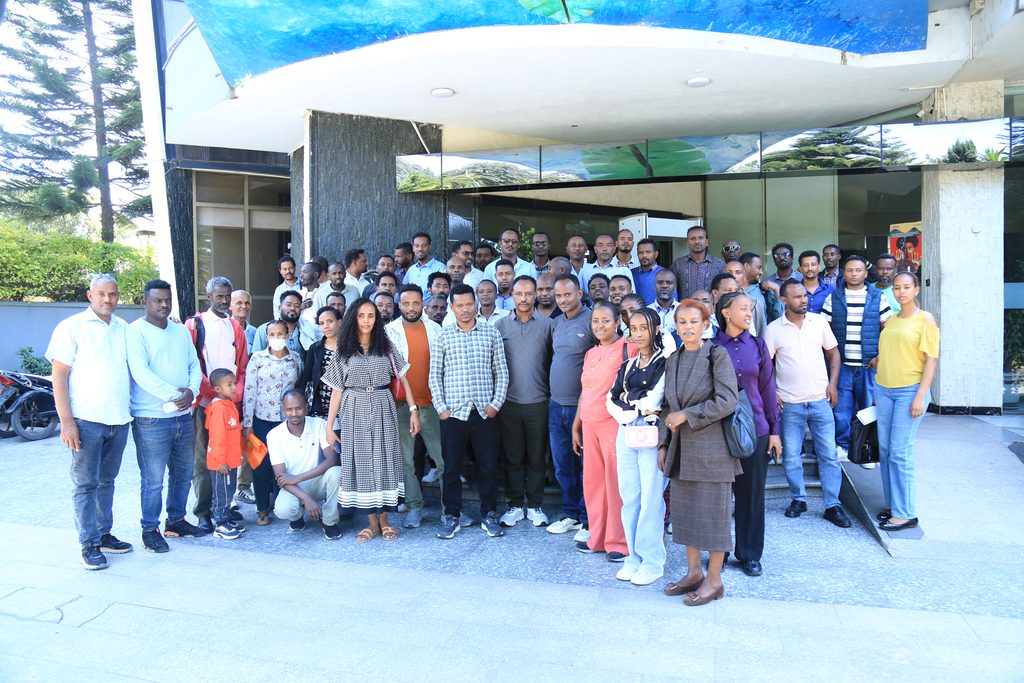
MaYEA Staff Capacity-Building Training
SOS Sahel Ethiopia’s Mass Youth Employment in Apiculture (MaYEA) Program conducted a six-day capacity-building training for its staff from 24–29 August 2026 in Hawassa.
The training brought together MaYEA program staff from the Head Office, cluster offices, and woreda offices, providing a shared platform for reflection, learning, experience sharing, and preparation for the next phase of project implementation.
The training focused on cascading the Training of Trainers (ToT) organized by the International Institute of Rural Reconstruction (IIRR) in Adama. Key areas included systems thinking, adaptive management, systemic change approaches, and the Center for Exponential Change (C4EC) concept.
In addition, the training covered a broad range of topics relevant to effective program implementation, including apiculture and enterprise development, gender, safeguarding and disability inclusion, climate-smart agriculture, stakeholder engagement, communication, artificial intelligence (AI), and policy review.
A key emphasis of the training was the need to move beyond addressing challenges at the individual level and to strengthen the systems, structures, institutions, and enabling environments that shape youth employment opportunities and contribute to the sustainable development of the apiculture sector.
The training therefore aimed to enhance staff capacity to apply a systems-oriented and adaptive approach to program implementation, enabling MaYEA to address both immediate barriers faced by young people and the broader systemic factors affecting employment and growth within the apiculture sector.
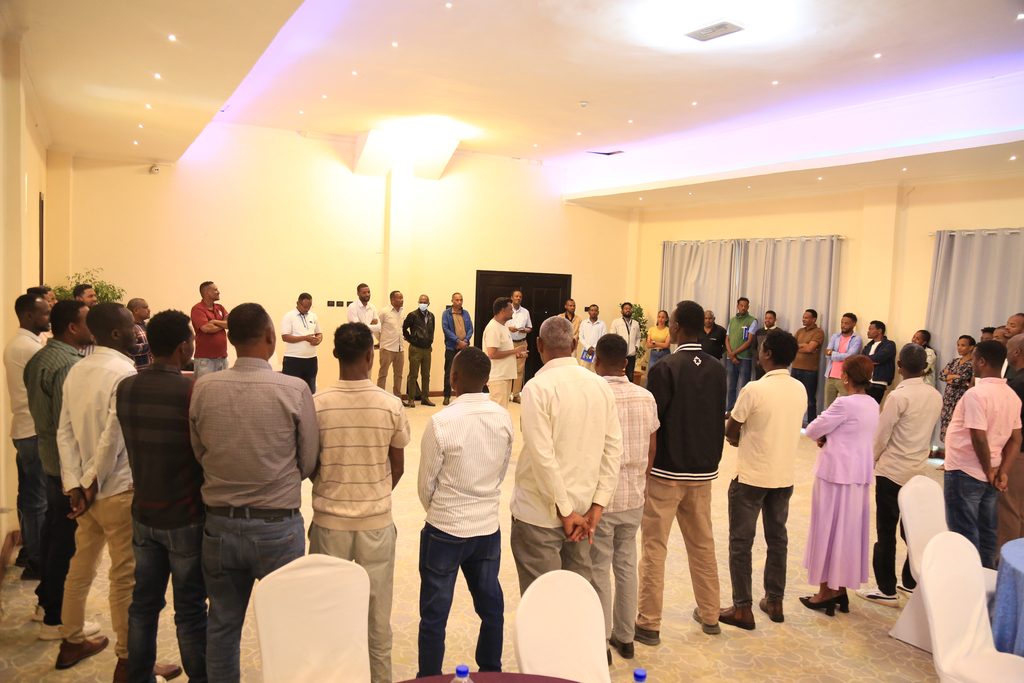
Strong emphasis was also placed on Monitoring, Evaluation and Learning (MEL) and its critical role in generating credible evidence, documenting lessons and good practices, promoting organizational learning, and informing evidence-based decision-making.
In the final sessions, participants engaged in in-depth technical, administrative, and financial discussions, addressing key operational issues, clarifying roles and responsibilities, and identifying areas requiring stronger coordination as MaYEA moves into its next phase. Translating the knowledge and skills gained from the training into practice is expected to enhance the quality of implementation, strengthen coordination, improve accountability, and contribute to the effective delivery of the project’s objectives.